
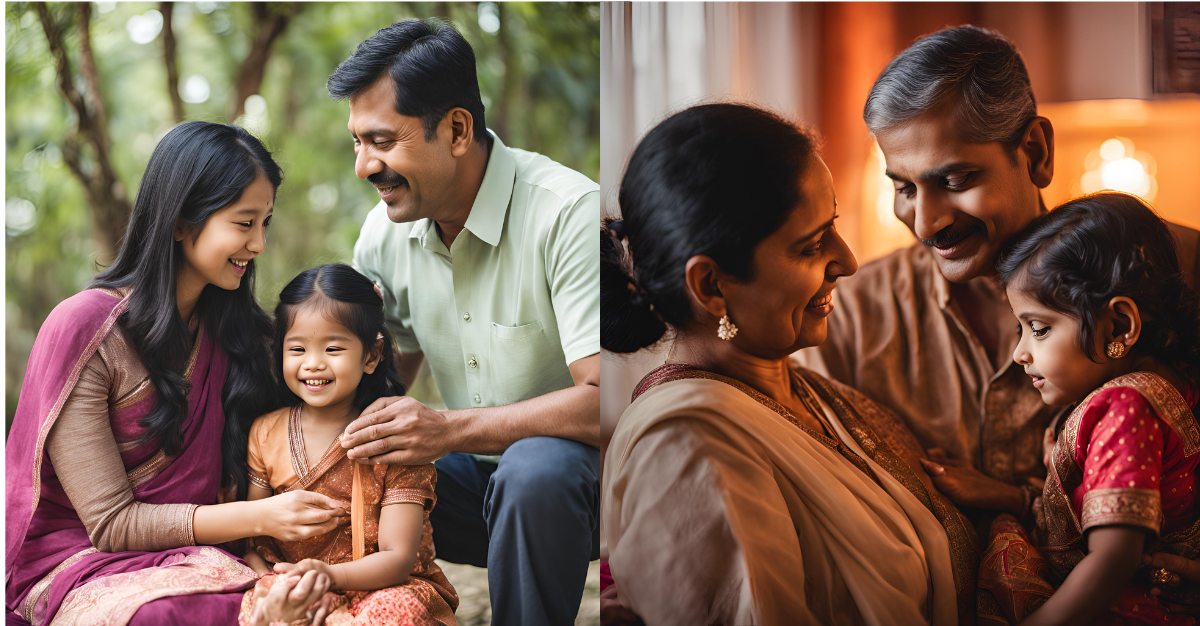
Parents play a very important role in shaping their children’s life, especially the daughters. From the moment they are born, daughters are often the most beloved ones, showered with love, protection, and care. Every parent wants the best for their child be it happiness, success or a bright future. But in many Indian households, particularly in middle-class families, there exists an old traditional mindset too that sometimes limits how this “best” is defined for the girl child.
Most Indian parents do all they can to ensure their daughters have a secure and comfortable life. They work hard to provide basic shelter, food, and education. Many times, daughters receive as much attention and resources as their sons. However, the ultimate dream of many middle-class families for their daughter is not just about her achievements but often revolves around marriage. Parents feel a deep sense of responsibility to arrange a “good” marriage for their daughter, sometimes even more than encouraging her to follow her career ambitions or personal desires over marriage.
The Traditional Approach: Marriage as the Goal
In many Indian families, daughters grow up hearing that their responsibility is to be a “good girl” and one day marry into a “good family.” Parents focus on saving money for their daughter’s wedding. From a very young age, the topic of marriage looms large. Family conversations often circle finding the right partner, with parents sacrificing their own comfort to save for a grand wedding or a dowry.
This doesn’t mean parents don’t love their daughters. In fact, they often take on these responsibilities with selflessness. But the challenge lies in the fact that many parents prioritize marriage over their education, career, and personal growth.
For example, it’s common to see a family save money for years to afford a lavish wedding for their daughter. However, when it comes to higher education or supporting her in her career, those same resources might not always be available. The idea of investing in a daughter’s future beyond marriage is still developing in many homes. Some parents even hesitate to allow their daughters to pursue higher studies or take jobs far from home, fearing what society might think or say or maybe with a thought they won’t be able to find a better guy.
The Influence of Society: “What Will People Say?”
In India, society’s opinion plays a massive role. So amilies make decisions, especially regarding their daughters accordingly. Many parents constantly worry about “log kya kahenge?” (“What will people say?”). They fear that if their daughter is not married by a certain age, or if she chooses a path different from traditional norms, it will create a bad image in the family. This societal pressure often leads parents to focus on getting their daughters married at an age they feel is “appropriate,” rather than giving them the freedom to explore their interests and talents.
But this mindset can unintentionally clip their wings. Instead of asking their daughters what they truly want or what their ambitions are, many parents allow societal expectations to rule over their daughter’s life. This limits their ability to dream big, to be independent, and to chart their path in life.
Education: The True Gift of Independence
One of the best gifts a parent can give their daughter is the freedom to be independent. And the best solution to that independence is education. When a woman is educated she will have the ability to make her own choices, stand on her own feet, and live life on her terms. Education not only opens doors to better opportunities but also boosts her confidence and helps them understand their rights and responsibilities in a correct way.
Education allows daughters to see the world differently. It broadens their view, helps them think critically, and gives them the confidence to take on challenges in life. Instead of seeing marriage as the only goal, an educated woman can choose when and whom to marry, and more importantly, if she wants to marry at all.
Changing the Focus: From a “Good Marriage” to a “Good Life”
Marrying the daughter at a specific age will not necessarily give her a good life. Instead, giving her the freedom to choose her path—whether that involves further education, career, travelling, or even marriage when she feels that she is ready.
This shift in focus doesn’t mean that marriage should be ignored or devalued. Rather, it means letting marriage be one part of life, not the ultimate goal. When daughters are encouraged to pursue their dreams, they are more likely to find partners who support them and not control them.
Supporting Daughters in a Modern World
The modern world offers unlimited opportunities for women, but it also comes with its own set of challenges. Parent’s thoughts and support must evolve with time. Today’s daughters need parents who are willing to stand by them, no matter the path they choose. Whether they want to study abroad, do business, or remain single, daughters do well when they know their parents trust their potential.
This support extends beyond education. Parents need to have open conversations with their daughters about relationships, career choices, and personal goals. It’s important for daughters to feel heard and understood, rather than pressured to follow societal expectations.
In many Indian families, the concept of women being independent is still growing. But slowly, parents have started realizing that investing in their daughter’s independence which includes both financially and emotionally—can lead to a more fulfilling life for her.
A New Legacy for Future Generations
When a father and mother inspire their daughters to be independent, educated, and confident, they will not just shape their daughter’s future but also set an example for future generations. A daughter who has the power to make her own choices will raise her children with the same values. She will teach them to dream big, think freely, and live life on their own terms.
In contrast, daughters who are pressured into marriage or limited by societal expectations may pass on those same limitations to their children. The cycle continues until someone chooses to break it. Parents have the power to break that cycle by shifting their priorities. So we encourage doing so.
Conclusion
The greatest thing a parent can do for their daughter is to believe in her abilities and support her dreams. Invest in her education over saving for marriage. This will make your daughter strong and give her the ability to achieve the peace, success and beautiful life she is looking for. Setting boundaries will only make her weak and dependent on their parents first, then their husband and later her children. I hope no parents want to see their daughter feel low in any phase of life. So please support Women’s Education.